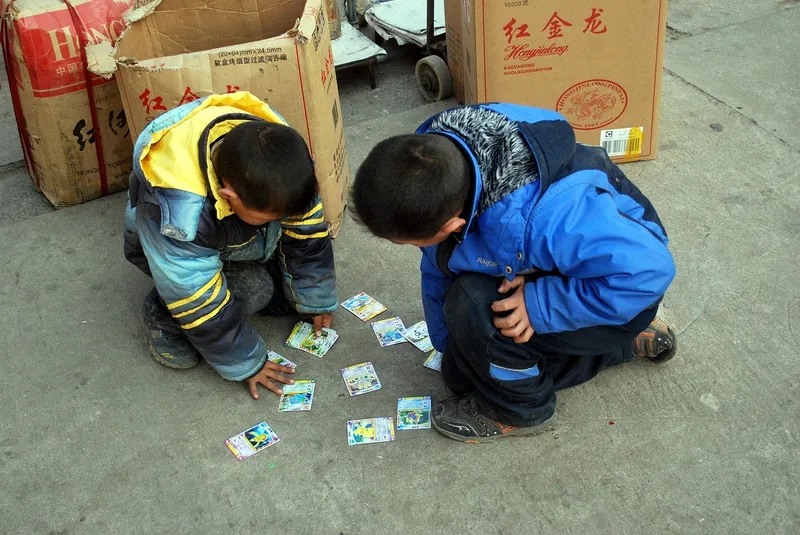
Families across the United States and Canada are increasingly swapping smartphone screens for analog hobbies to foster real-life connections. This shift toward tactile activities like jigsaw puzzles and tabletop games is driven by a desire to reduce digital fatigue and improve mental wellness.
Why are people ditching devices?
Many parents are seeking ways to manage the constant interruptions of buzzing and pinging notifications. Digital wellness advocates suggest that establishing boundaries can help prevent the mental health challenges often linked to heavy screen use. To assist this transition, new tools are emerging, such as:
- Physical device locks that impede smartphone usage.
- Screen-free digital cameras.
- Specialized software to moderate device access.
- Wireless home-only communication devices for children.
The rise of analog hobbies
Traditional activities are seeing a resurgence as people look for ways to slow down. Jigsaw puzzles have become a staple for both solitary relaxation and family bonding, providing a way to engage with patterns and colors without a screen.
Tabletop games are also experiencing a significant boom. In Missouri, a new studio has opened to teach mahjong, a centuries-old Chinese strategy game. Interest in the game has surged, with Yelp reporting a nearly 4,500% increase in searches. Proponents suggest these games offer cognitive benefits, with one business owner noting they are good for "using your brain."
Understanding the digital wellness movement
This trend is supported by organized efforts to combat "screen-based childhood." For example, The Balance Project has grown into a national movement aimed at helping families create shared boundaries. By using tools like an "analog beacon"—a designated area where devices are prohibited—families can ensure that dinner or shared playtime remains uninterrupted.
This movement is not just about restriction, but about creating space for engagement. Whether it is a grandchild finding a corner piece of a puzzle or a group of friends gathering for a game of mahjong, the goal is to move away from entertainment that is always available at the touch of a button toward activities that require presence and interaction.
FAQ
Are these hobbies good for children?
Yes, many parents use analog tools and activities to help children avoid the potential mental health risks associated with excessive screen-based childhoods.
Is mahjong difficult to learn?
While more complex than games like Yahtzee, it is often compared to rummy and involves creating matching sets from a large number of tiles through strategy.