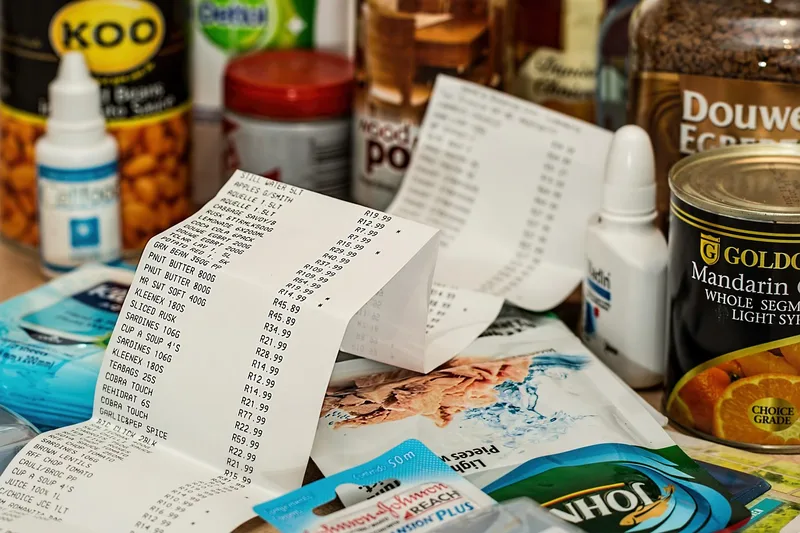
Despite the pressure of rising costs, US consumer spending remains a primary driver of the economy. Recent data shows that Americans are continuing to spend even as high gas prices and inflation create significant financial headwinds for many households.
The current economic landscape
Recent reports indicate a disconnect between consumer behavior and public sentiment. While the economy is being powered by resilient spending, many citizens express frustration over the cost of living. This disconnect is a puzzle for officials who see growth alongside consumer unease.
Key economic indicators from September include:
- The Consumer Price Index (CPI) rose 0.6% monthly and 3.7% compared to last year.
- The producer price index jumped 6.3% from a year earlier.
- Wholesale food prices saw a monthly increase of 1.2%.
Why is inflation persisting?
White House National Economic Council Director Kevin Hassett noted that energy shocks are a major factor in recent inflation trends. He suggested that attacks on energy infrastructure in the Middle East contributed to the September figures.
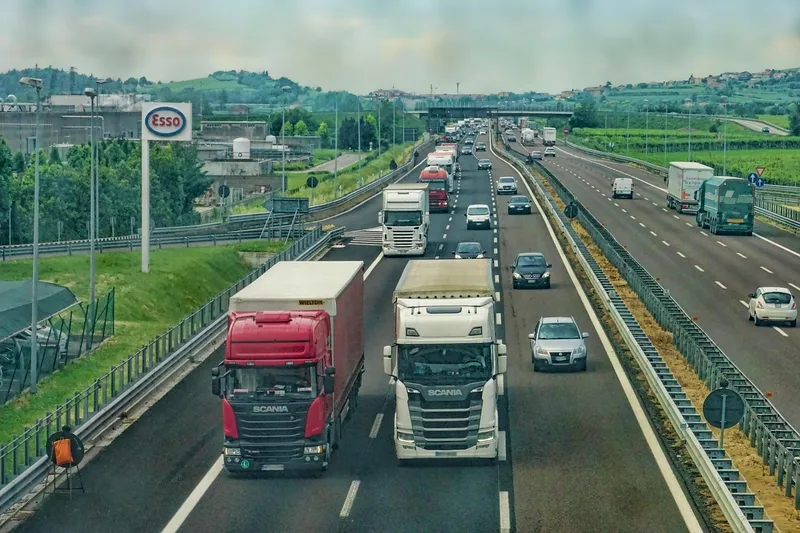
High diesel and gasoline prices are also impacting other sectors. Because transportation relies heavily on these fuels, higher costs for shipping and warehousing often lead to increased prices for groceries and manufactured goods. This creates a ripple effect throughout the economy.
A persistent trend of high prices
U.S. consumers are currently experiencing one of the longest streaks of elevated inflation on record. The CPI has registered consecutive annual readings above the 2% target for approximately 65 months, which is more than five years.
Cleveland Fed President Beth Hammack expressed concern regarding this trend, stating that it is worrying when consumers start to view high inflation as a "fact of life." Such an outlook could potentially limit the effectiveness of the Federal Reserve's monetary policy tools.
Is consumer spending sustainable?
Federal Reserve officials have expressed concern regarding how long this trend can last. While job security remains relatively high, which encourages continued spending, the long-term impact of these costs is uncertain.
Jim Baird of Plante Moran Financial Advisers observed that while consumers are not happy, "they're still spending." This resilience continues to power solid economic growth for now.
FAQ
What is the current rate of inflation?
The Consumer Price Index rose 3.7% from a year ago in September, which remains well above the Federal Reserve's 2% target.
How are energy prices affecting the economy?
Rising gas and diesel prices are increasing the cost of shipping and transportation, which can drive up the price of various goods including food.