Wholesale inflation in the United States surged in September, hitting levels that have not been observed since late 2022. The latest producer price index report shows that prices paid by businesses to produce goods jumped to a 6.3% annual increase, signaling that business inflation is rising broadly across the economy.
What drove the increase in business inflation?
According to the Bureau of Labor Statistics, gas prices accounted for "half of the September increase" in producer prices. The surge in energy costs follows significant price hikes in oil and gas since February.
Other sectors experiencing price increases include:
- Diesel fuel
- Jet fuel
- Crude petroleum
- Residential electric power
- Fresh and dry vegetables
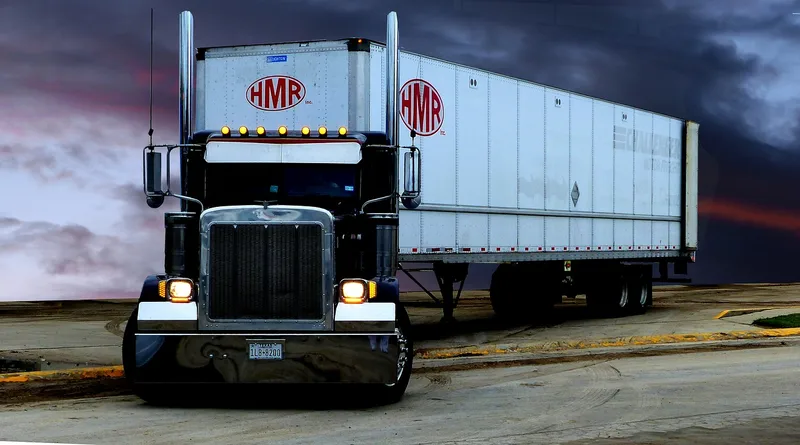
Economists noted that rising diesel prices are particularly concerning because the fuel is essential for the shipping, farming, and transportation industries. These costs often result in knock-on effects for various consumer goods.
How will this affect the economy?
The PPI report, which often serves as a precursor to consumer price changes, arrived after a consumer price index report also showed rising costs. This trend suggests that inflation is spreading across multiple sectors rather than being limited to specific industries.
All major figures in the report exceeded expectations from analysts. The "core" PPI, which removes volatile food and energy data, rose 0.7% from August and sits at a 5% annual increase.
These figures have reinforced market expectations that the Federal Reserve may implement interest rate hikes during its late October meeting. Such a move could increase pressure on consumers already dealing with high borrowing costs, including a 30-year fixed mortgage average of 7.45%.
FAQ
What is the core PPI?
The core PPI is a metric that excludes the volatile prices of food and energy to show underlying inflation trends. In September, it rose 0.7% from the previous month.
Why is diesel fuel price growth significant?
Diesel is a critical component for the transportation and agricultural sectors. Higher diesel costs can lead to increased prices for many different types of consumer products.